
What’s more important… culture or strategy? Peter Drucker’s statement, “culture eats strategy for breakfast” nails it. Do you agree?
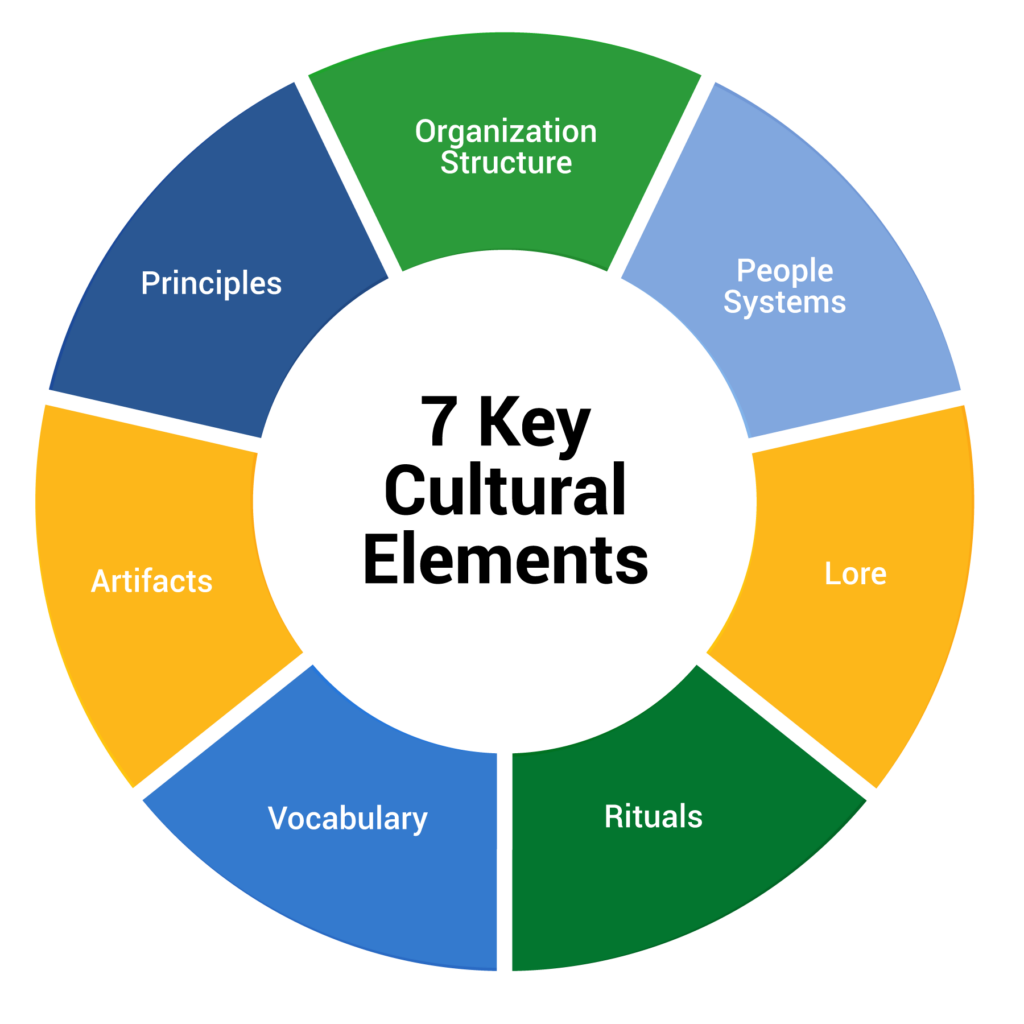 Uber Importance: Shifting to People–Centric Workplaces
Without a doubt, to drive market preference, organizations need emotionally intelligent business models. Today, people-centrism, collaboration, performance, accountability, and innovation serve as a key market differentiator to attract and retain stronger talent across five (5) generations while elevating collaboration, performance, and accountability.
What do People-Centric workplaces look like? Leaders and managers see and actively support the value of people and their collaboration in their organization. Envision this…
a work environment where:
 We have a track record of more than 25 years’ consistent success in leading many dozens of culture shifts that focus on inclusion… period. It’s inclusion that foments collaboration and innovation (the lifeblood of an organization), and ultimately, sustainability for that organization. After we have developed a solid cultural foundation of inclusion for a client, we then begin education on the appreciation for, and managing conflict arising from, differences.
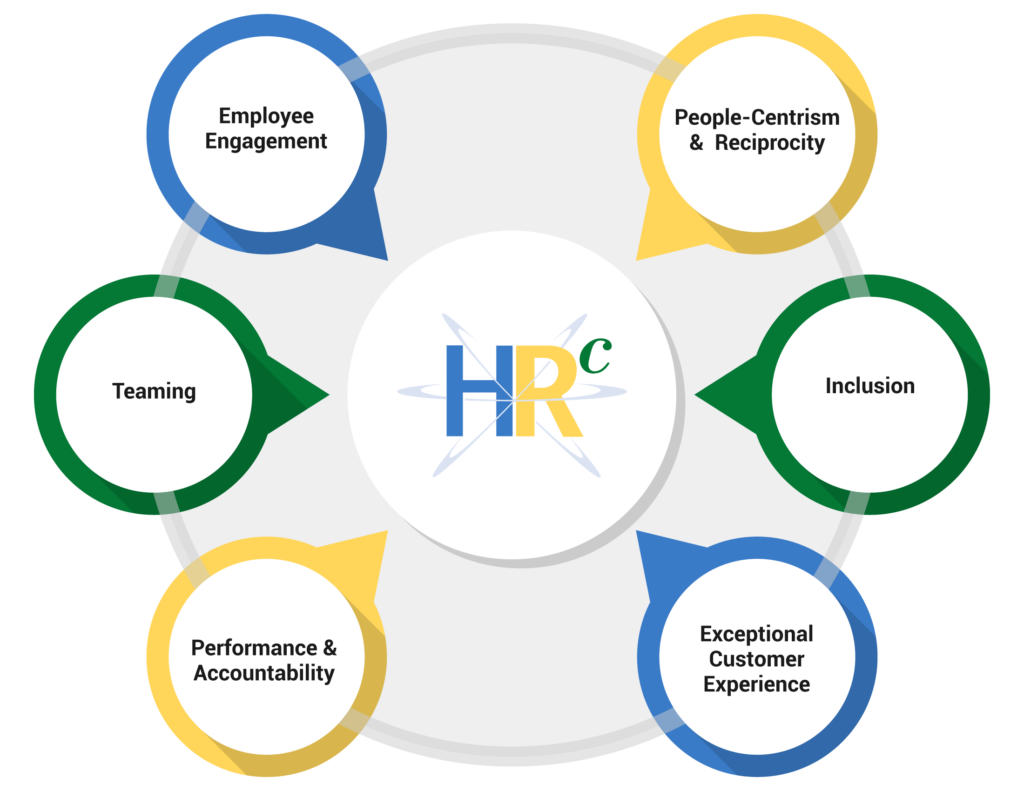 Time and time again, the culture of an organization either enables or thwarts an organization’s ability to achieve its strategy. In fact, culture is much more difficult and takes a decade or more to replicate by a competitor. Therefore, culture can truly serve as your organization’s most sustainable and valuable competitive advantage.